Polynucleotides, explained.
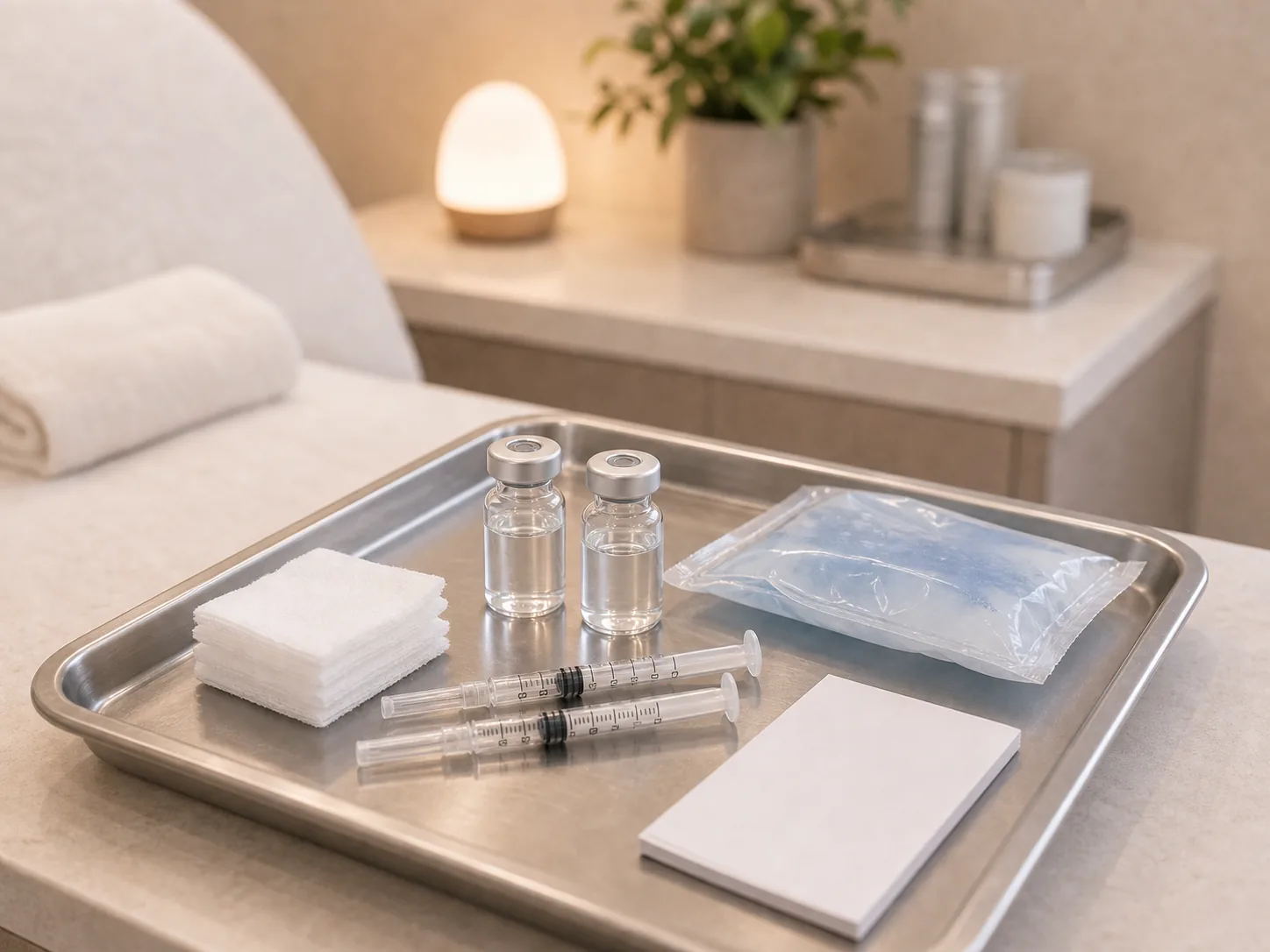
Polynucleotides are everywhere on aesthetic Instagram in 2026. Half of what’s being said about them is overhyped marketing. The other half is genuinely useful. Here’s the version with no salesmanship on it.
What polynucleotides actually are.
Polynucleotides are short, purified DNA fragments. Usually derived from salmon roe (highly purified, no allergenic protein left). They’re injected into the layer just below your skin, where they switch on the cells (fibroblasts) that produce collagen, elastin and hyaluronic acid.
They don’t add volume. They don’t change your features. They’re a regenerative injectable. The goal is to wake up cells that have been making less collagen as you age, and ask them to start making more again.
The result is gradual: skin gets thicker, denser, better quality. Lines soften because the skin underneath is healthier, not because something has been filled in.
Why everyone’s talking about them
Three reasons:
- Under-eyes. The under-eye area is the thinnest skin on the face. Filler under the eye is risky. Tight space, nearby blood vessels, the dreaded Tyndall effect (a bluish tint when filler sits too superficially). Polynucleotides offer a way to improve under-eye quality without those risks. For a lot of clients whose under-eye concern is skin quality rather than volume loss, this is the first treatment that’s actually targeted at their issue.
- The mechanism is genuinely different. Fillers add volume and skin boosters focus on hydration. Polynucleotides are presented as a regenerative skin treatment, which makes them a different category.
- The results are subtle and additive. They can be considered alongside filler and skin boosters as part of a carefully sequenced plan.
Where the evidence sits.
The honest version: polynucleotides have a longer clinical history than the marketing makes obvious. They’ve been used in regenerative medicine for decades. In wound healing, ophthalmology and orthopaedics. Before being adapted for aesthetic use.
The aesthetic indication has growing peer-reviewed evidence for skin quality improvement, particularly under-eye. The evidence isn’t at the same level as filler (which has decades of widespread aesthetic use) but it’s strong enough that I’m comfortable recommending the treatment within its indications.
What the evidence does not support: polynucleotides as a face lift, polynucleotides for sagging or volume loss, polynucleotides as an alternative to filler in any structural sense. They’re a skin-quality treatment. Period.
Who benefits most
- Under-eye concerns from skin quality, not volume. Crepey skin, dark circles caused by thin pigmented skin showing the muscle/vasculature beneath, fine crepe lines. Polynucleotides thicken and improve the skin in this area better than almost any other treatment.
- Sun-damaged skin. Years of UV breaks down collagen and elastin. Polynucleotides re-engage the fibroblast machinery to start rebuilding.
- Post-pregnancy or weight-loss skin density. Skin that’s lost integrity from rapid changes responds well.
- Acne-scarred skin. Often combined with microneedling for atrophic scars; polynucleotides support the regenerative response.
- Neck and décolleté. Areas where filler isn’t typically appropriate but skin quality matters.
Who they’re not for
- Anyone wanting immediate, dramatic results. This is a slow-build treatment
- Anyone with significant volume loss. That’s a filler conversation
- Pregnant or breastfeeding clients. We’d wait
- Clients with active autoimmune flares. Defer
- Anyone with a fish allergy (rare with the highly purified product but worth mentioning)
What treatment actually looks like.
Numbing cream first. For under-eye work, this is especially important. The skin there is very sensitive. We typically work in three sessions, three weeks apart, then a maintenance session every 6-12 months.
For under-eye: small precise points just below the lash line. For face: micro-droplets across cheeks and jawline. For neck: longer linear technique.
Bruising is common in the under-eye area. The skin is thin and vascular. Plan for visible bruising for up to a week. Concealer covers it after day two. Mild swelling for 24 hours.
The result builds over 3-12 weeks. Most clients notice the change after the second session. The change is genuinely subtle. You won’t come out of session three looking like a different person, but at the 12-week mark you’ll often have someone tell you your skin looks great without being able to put their finger on what changed.
How they pair with everything else
This is where polynucleotides shine. They sequence well with:
- Filler. Run a polynucleotide course first, then filler 2-4 weeks after the final session. The filler integrates into healthier tissue and the result is smoother.
- Microneedling. Common combination for acne scarring or texture. Microneedle creates micro-injuries; polynucleotides accelerate the healing response.
- Skin boosters. Different mechanism (regeneration vs hydration). Some clients alternate them across the year. Don’t do them in the same session.
- Tear-trough filler. Sometimes both are needed. Polynucleotides for skin quality, filler for the volume hollow. We sequence carefully if so.
What it costs at Refined
- Eyes (under-eye, tear-trough region). £185 per session
- Face. £210 per session
- Face + neck. £250 per session
Most clients start with eyes (course of 3, £555 total). Some add face later. A “full skin reset” programme of 3 face + neck sessions is a meaningful investment but typically holds 12-18 months between maintenance.
The honest summary
- Polynucleotides regenerate skin quality. They don’t fill, lift or relax.
- Best evidence is for under-eye improvement and skin quality recovery
- Course of 3 sessions, 3 weeks apart; maintenance every 6-12 months
- Bruising under the eye is common. Plan for a week of concealer
- Results build over 3-12 weeks. Not a one-and-done treatment
- Can be planned alongside filler, microneedling and skin boosters where suitable
- Not the right tool for volume loss, sagging or specific pigmentation
If you’re curious whether polynucleotides are right for what you’re actually concerned about, book a free consultation through the polynucleotides page or WhatsApp me. Bring photos of your under-eye in different lighting if that’s the area you’re worried about. It helps. 🤍
Refined Medical Aesthetics · Nurse led clinic